What licence do I need to drive a telehandler in NZ?
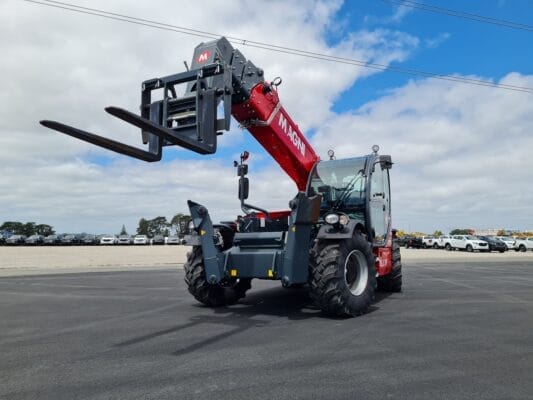
Telehandlers although the main attachment is forks they have such a variety of uses and other attachments that they really need their own specific training.
It appears in NZ that the driver of a telehandler requires a W endorsement (Refer letter from NZ Transport Agency 2011) but this does not cover the extending boom and stabilizer legs of the telehandler and loading with forks. The stability triangle and tip over points are different from a loader or a forklift and we need to understand that there are the different categories of telehandlers with different licence requirements depending on the attachment fitted.
Our recommendation for telehandlers with forks, buckets, hooks, jibs or man-cages are that the operator completes the following training:
1) Telehandler (Fixed Boom,Non-rotating)
-Current Drivers licence (With the correct licence class for the weight of the telehandler)
-W Endorsement -If operating in on a road or public area
–NZQA Unit Standard 23637 –Operate a non-rotating telehandler with attachments

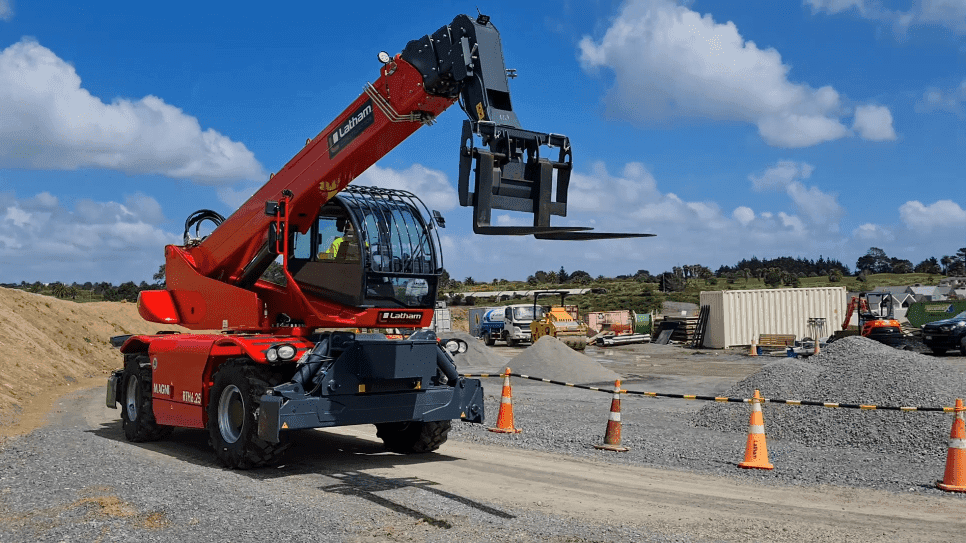
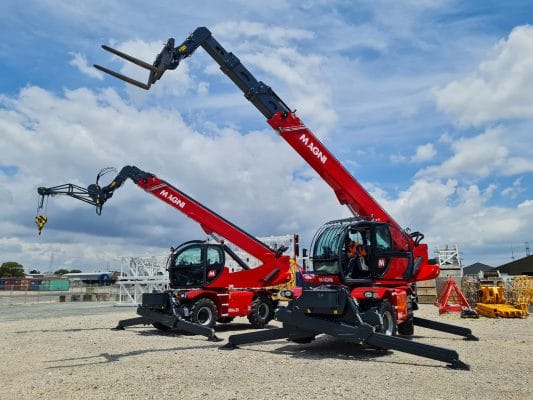
2) Rotating Telehandler (360 slew)
-A current Drivers license (With the correct license class for the weight of the telehandler)
-W Endorsement (Special-type vehicle that runs on wheels)
–NZQA Unit Standard 33426 Operate a rotating telehandler with attachments
Recommended:
–VOC (Verification Of Competency)
A VOC assesses the knowledge and practical ability or skill of the operator to carry out specific tasks with different attachments in operating a rotating telehandler safely. It also demonstrates what level they currently are at and if they require more training before commencing work, Unit standards can be very generic whereas a detailed VOC can be machine specific and helps employers maintain a safe and compliant worksite
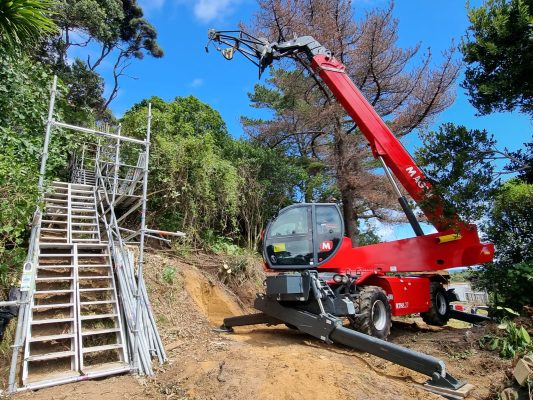
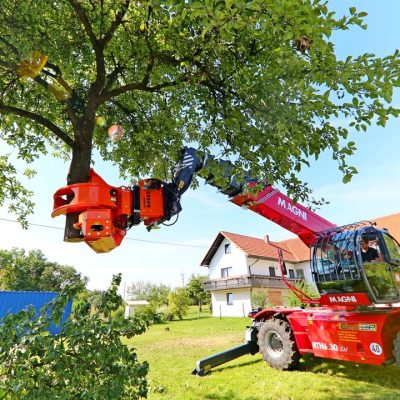
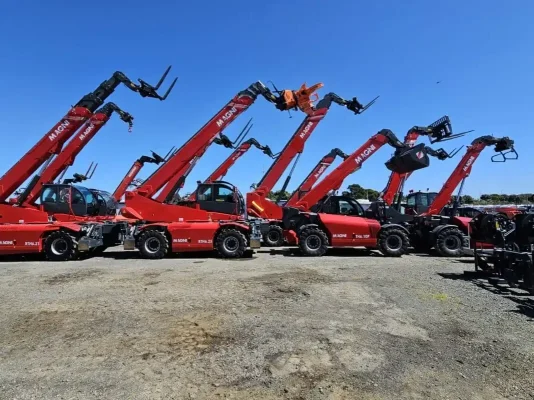
Rotating Telehandler
2) Telehandler with platform
-Hold a Current Drivers licence (With the correct licence class for the weight of the telehandler)
-W Endorsement (Special-type vehicle that runs on wheels)
-NZQA Unit Standard 33426 Operate a rotating telehandler with attachments
or -NZQA Unit Standard 23637 –Operate a non-rotating telehandler with attachments
–EWP Training (When used as a Mobile Elevated Work Platform (MEWP) the machine must comply with AS/NZS 1418 Part 10 2011/ AS2550.10 and the operator will require EWP training)
Telehandler with Man-Cage
Extra options (As required)
-NZQA Unit Standard 31245 –Plan for and lift. move, and place loads using mobile plant in an infrastructure works environment
-NZQA Unit Standard 30072 – -Demonstrate and apply knowledge of slinging regular loads safely (Lifting with hooks or jib)